Why You Need an Exterminator for Rats, Not Just a Quick Fix
@theexterminatorratsview
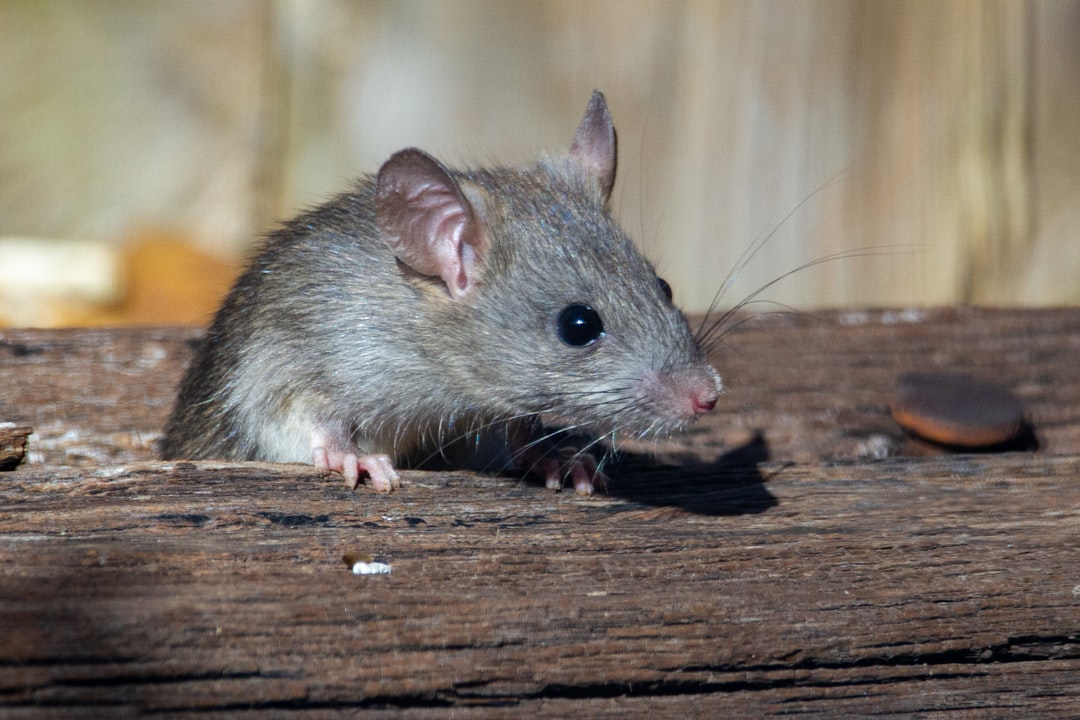
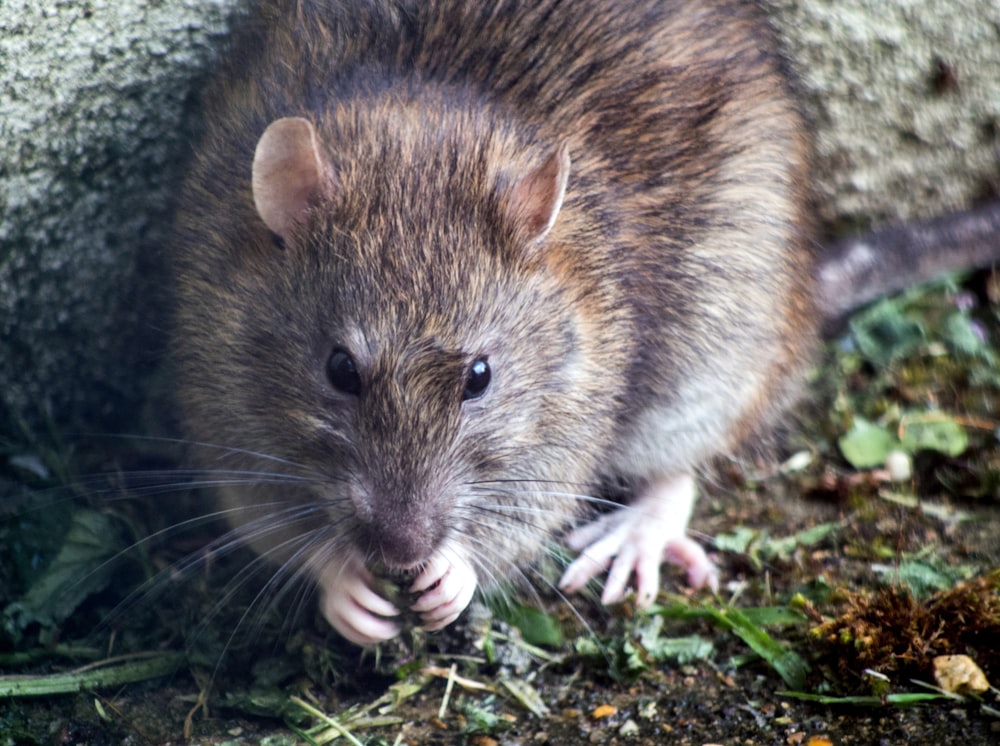
I have spent years working in pest control, and if there is one thing I have learned, it is that rats do not go away on their own. They are not like a stray cat that moves on after a few days. Rats are settlers. They find a warm, sheltered spot with access to food and water, and they stay. They breed fast, they chew through almost anything, and they carry diseases that can make your family or your customers sick. That is why calling an exterminator for rats is not just about getting rid of the ones you see. It is about understanding why they came and making sure they cannot come back.
The Rat Problem Is Bigger Than You Think
Most homeowners first notice a rat problem when they hear scratching in the attic or find droppings in the garage. By that point, the rats have already established a nest and a feeding route. They are nocturnal, so you rarely see them during the day. But they are active every night, gnawing on wires, contaminating insulation, and leaving urine trails that can trigger allergies in children and pets. A single pair of rats can produce dozens of offspring in a year. That is not an exaggeration. That is biology.
I once worked on a home in Cleveland TN where the homeowners had been ignoring scratching sounds for months. They thought it was squirrels or maybe a bird that got trapped. When I opened the attic hatch, the insulation was shredded, the wiring was exposed, and there was a nest the size of a basketball. The rats had chewed through PVC pipes and were using the wall cavities as highways. That job required not just trapping but extensive structural repairs and rodent exclusion work. It was a classic case of a small problem becoming a big one because nobody called an exterminator for rats early enough.
Trapping and Removal: The First Step
When I arrive at a home with a rat infestation, my first priority is to stop the immediate activity. That usually means setting traps in the areas where rats travel. Snap traps are still the most reliable tool for this. They are quick, humane if set correctly, and they do not leave poison in your home where children or pets might find it. I have used glue boards in certain situations, but I prefer snap traps because they are more consistent and easier to monitor. Glue boards can work in tight spaces like behind appliances, but they are not my first choice for large infestations.
Bait stations are another option, but they require caution. Rat poison is effective, but it carries risks. If a rat eats poison and dies inside a wall cavity, the smell can linger for weeks. Worse, if a pet or a child gets into the bait, it can be fatal. That is why I only use bait stations in secure, locked boxes placed in areas where no one else can reach them. Even then, I prefer trapping as the primary method. The goal is to remove the rats, not just to kill them somewhere you cannot reach.
Finding and Sealing Entry Points
Once the active rats are dealt with, the real work begins. Rats can squeeze through a hole the size of a quarter. That is smaller than most people realize. They can climb brick walls, crawl under garage doors, and squeeze through gaps around roof vents. They can chew through plastic, wood, and even some metals if they are determined enough. That is why a home inspection is the most important part of any rodent control job. You have to find every potential entry point and seal it.
Common entry points include gaps around utility lines, cracks in the foundation, spaces under doors, and holes where pipes enter the house. I have also seen rats enter through soffit vents that were missing screens or through gaps where the roofline meets the fascia. Sealing gaps with steel wool and caulk works for small holes, but for larger openings you need hardware cloth or metal flashing. Rodent exclusion is not just about plugging holes. It is about reinforcing the structure so that rats cannot chew their way back in.
In Cleveland TN, the older homes often have crawl spaces and basements that are not well sealed. These are prime entry points. I have done jobs where the only way to stop the rats was to replace rotted soffit panels and install metal mesh over every roof vent. That kind of structural repair is not glamorous, but it is the only way to get lasting results. If you skip this step, you will be trapping rats again in six months.
Prevention Is Better Than Cure
The best pest control strategy is prevention. That means keeping your property clean, storing food in sealed containers, and eliminating standing water. But even the cleanest home can attract rats if there are easy entry points. That is why integrated pest management focuses on long-term solutions rather than quick fixes. Integrated pest management combines trapping, exclusion, sanitation, and monitoring to keep rat populations under control without relying solely on chemicals.
Electromagnetic repellents and ultrasonic devices are marketed as easy solutions, but I have not found them to be reliable. In my experience, rats quickly get used to the sound and ignore it. Some homeowners buy these devices hoping to avoid the cost of professional work, but they usually end up calling an exterminator for rats anyway. There is no substitute for physical exclusion and proven trapping methods.
Beyond Rats: Mice, Squirrels, and Nuisance Wildlife
Rat problems often come with company. Mice are smaller and can get into even tinier spaces, so if you have rats, you probably have mice too. Squirrels are another common nuisance wildlife that can enter through the same roof vents and soffit gaps. I have seen attics that housed rats, mice, and squirrels all at once. Each species requires a slightly different approach, but the principles are the same: find the entry points, trap the animals inside, and seal the gaps to prevent re-entry.
Nuisance wildlife like raccoons or opossums can also be a problem, but they are usually larger and easier to spot. Rats are the ones that hide and multiply without being noticed. That is what makes them so dangerous. A rat infestation can go on for months before the homeowner realizes how bad it is. By then, the damage to insulation, wiring, and structural wood can run into thousands of dollars.
The Importance of a Thorough Home Inspection
A thorough home inspection should include checking the attic, basement, crawl space, garage, and all exterior walls. Look for droppings, gnaw marks, grease stains along baseboards, and tracks in dusty areas. Pay special attention to areas near pipes, vents, and utility lines. If you find a hole that looks like it could let a rat through, it probably does. Even a gap that seems too small might be big enough for a young rat or a mouse.
I recommend that homeowners do a walk-around of their property at least twice a year. Look for gaps in the foundation, loose siding, and damaged roof vents. Check garage doors for gaps at the bottom. If the door does not seal tightly, rats can squeeze under it. Seal any gaps with weatherstripping or a door sweep. These simple steps can save you a lot of trouble later.
When to Call a Professional
If you see one rat, there are probably more. If you hear scratching in the walls, you have an active infestation. If you find droppings in the kitchen or garage, you need to act fast. That is the time to call a professional who understands rodent behavior and knows how to do the job safely. A good pest control company will do a full inspection, set traps in the right locations, and then seal the entry points to prevent future problems.

In Cleveland TN, the climate is mild enough that rats can breed year-round. That means prevention is not just a seasonal concern. It is something you need to think about all year. If you wait until winter to deal with a rat problem, you will be dealing with a much bigger infestation by spring.
Rats are not just a nuisance. They are a health hazard and a structural threat. Do not wait until the damage is done. If you suspect rats in your home, call a professional who knows how to handle them properly. The peace of mind you get from knowing your home is secure is worth the investment.